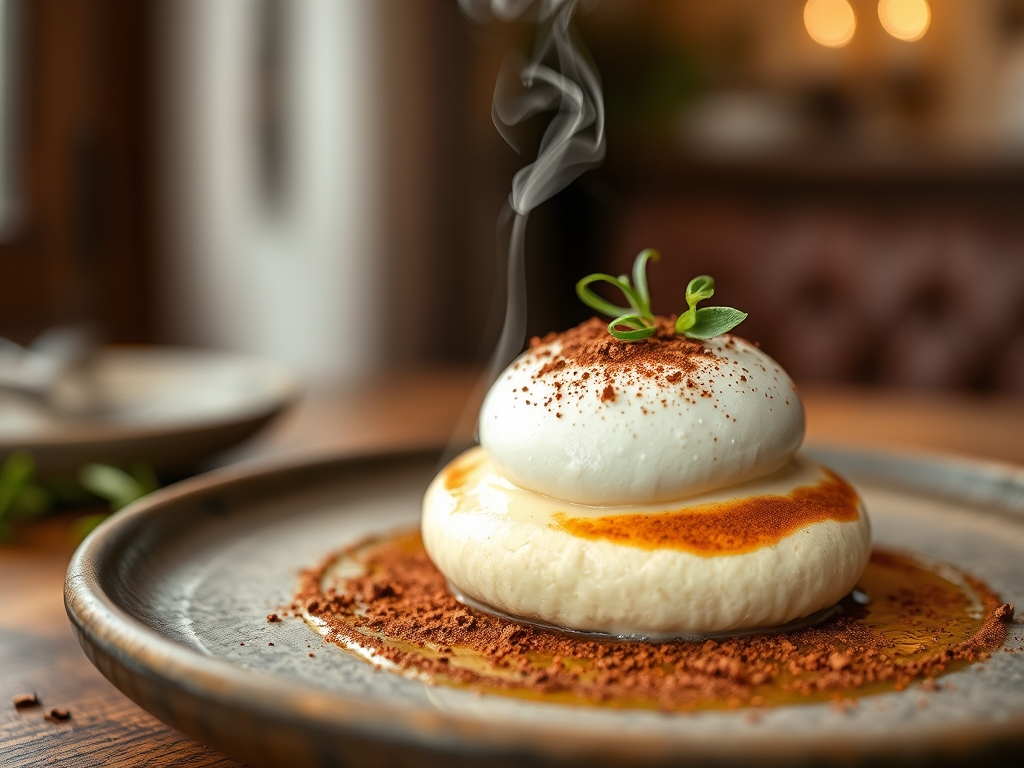
Stop treating dessert like a suggestion and start treating it like a structural engineering project. We are not just making a sweet treat; we are architecting a masterpiece of molecular stability. Imagine a tart shell so crisp it shatters like glass, yielding to a center of espresso-soaked sponge that pulses with caffeine. But the true crown jewel is the Tiramisu Cream Foam. This is not your grandmother's whipped cream. This is a highly stable, nitrogenous cloud of mascarpone and heavy cream, aerated to the point of structural defiance. It sits atop the tart with a viscous elegance, shimmering under a dusting of high-grade cocoa powder. The scent of roasted Arabica beans and fermented dairy should hit your nostrils before the plate even touches the table. We are looking for a piquant contrast between the bitter espresso and the velvety sweetness of the foam. If your cream is weeping or your crust is soggy, you have failed the audit. It is time to calibrate your equipment and refine your technique to achieve the ultimate dessert equilibrium.
THE DATA MATRIX
| Metric | Specification |
|---|---|
| Prep Time | 45 Minutes |
| Execution Time | 25 Minutes |
| Yield | 8 Individual Tarts |
| Complexity (1-10) | 8.5 |
| Estimated Cost per Serving | $4.25 |
THE GATHERS
Ingredient Protocol:
- 250g / 2 cups All-Purpose Flour (Chilled)
- 150g / 0.66 cups Unsalted European Butter (High fat content)
- 100g / 0.5 cups Superfine Sugar
- 1 Large Egg Yolk (Room temperature)
- 500g / 17.6 oz Mascarpone Cheese (Galbani grade or equivalent)
- 300ml / 1.25 cups Heavy Cream (Minimum 36% milkfat)
- 120ml / 0.5 cups Triple-strength Espresso
- 30ml / 2 tbsp Dark Rum or Marsala Wine
- 5g / 1 tsp Sea Salt
- 20g / 3 tbsp Dutch-processed Cocoa Powder
Section A: Ingredient Quality Audit:
If your mascarpone exhibits graininess, it has likely undergone temperature shock or over-agitation during transport. To fix this, gently fold in a tablespoon of room-temperature heavy cream using a silicone spatula until the emulsion re-stabilizes. Low-fat cream is a non-starter here; it lacks the globule density required to maintain a Tiramisu Cream Foam. If your espresso lacks a robust crema, your beans are stale. Use a burr grinder to ensure a uniform particle size, which prevents over-extraction and the resulting bitter, metallic aftertaste. For the tart shell, if the butter is too warm, the gluten will develop too quickly, resulting in a tough, bread-like texture rather than a short, crumbly snap. Keep all fats below 15 degrees Celsius (60 degrees Fahrenheit) during the initial mixing phase.
THE MASTERCLASS
Step-by-Step Execution:
1. The Shortcrust Foundation
Combine chilled flour, salt, and cubed butter in a food processor. Pulse until the mixture resembles coarse sand. Add the egg yolk and a splash of cold water, processing only until the dough begins to clump. Turn it out onto a clean surface and use a bench scraper to fold the dough over itself twice. Wrap in film and chill for 60 minutes.
Pro Tip: The science here is "shortening" the gluten strands. By coating the flour particles in fat before adding moisture, you inhibit the protein bonds that create elasticity. Using a digital scale ensures the fat-to-flour ratio is precise, preventing a greasy finish.
2. Precision Blind Baking
Roll the dough to a 3mm thickness and line your tart molds. Prick the base with a fork and line with parchment paper and ceramic pie weights. Bake at 175C (350F) for 15 minutes, remove the weights, and bake for another 10 minutes until golden.
Pro Tip: Blind baking prevents the "soggy bottom" syndrome. The weights provide physical resistance against steam expansion, ensuring the base remains flat and capable of holding the liquid espresso infusion without leaking.
3. The Espresso Saturation
Whisk the hot espresso with sugar and rum. Allow it to cool to room temperature. Place a thin layer of ladyfinger sponge at the bottom of each baked tart shell and carefully saturate it with the espresso mixture using a culinary syringe or a small spoon.
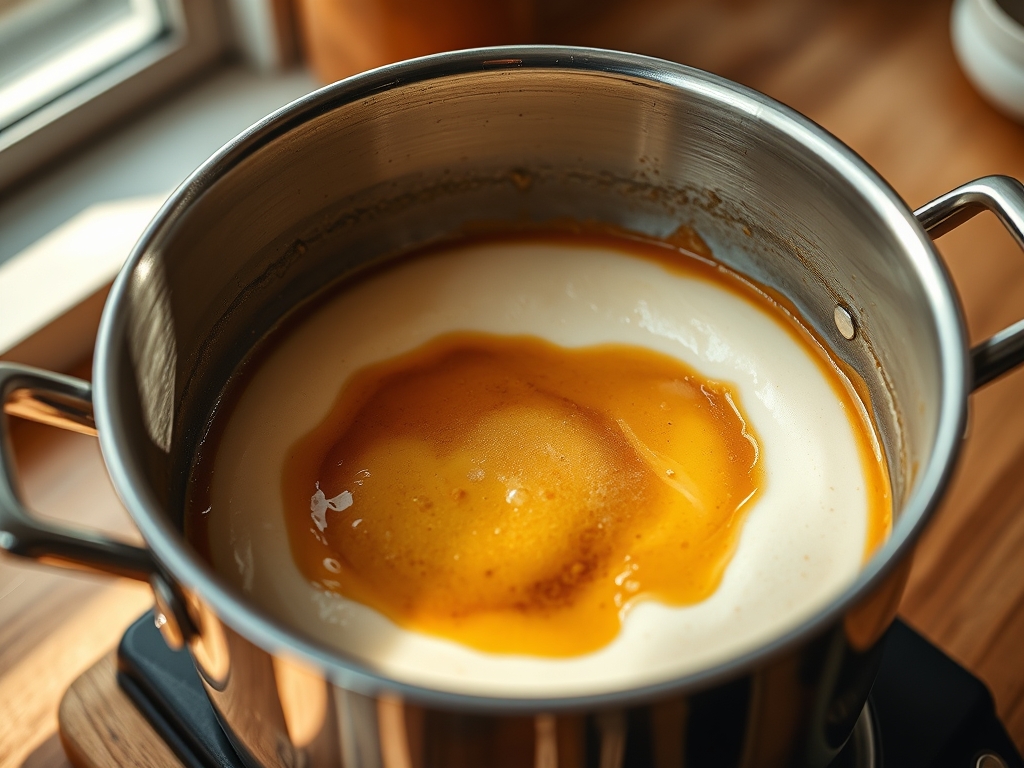
Pro Tip: Capillary action will pull the liquid into the sponge. Do not oversaturate; you want the sponge to be moist but structurally sound. A saucier is the best vessel for heating the espresso mixture to ensure even sugar dissolution without scorching.
4. Engineering the Tiramisu Cream Foam
In a chilled bowl, combine mascarpone, heavy cream, and a hint of vanilla. Use a stand mixer with a whisk attachment to beat the mixture on medium-low speed. As the volume increases, increase the speed to high until stiff peaks form. The goal is a dense, stable foam.
Pro Tip: This is an air-in-fat emulsion. The cold temperature is critical because it keeps the milk fat in a solid state, allowing it to trap air bubbles effectively. If the bowl is warm, the fat will melt and the foam will collapse into a greasy liquid.
5. The Final Assembly and Aeration
Pipe the Tiramisu Cream Foam onto the espresso-soaked base using a large round tip. Hold the piping bag vertically to achieve a uniform, bulbous aesthetic. Dust generously with cocoa powder through a fine-mesh sieve.
Pro Tip: Use a digital scale to ensure each tart receives the exact same mass of foam. This ensures consistency across the batch and prevents the heavier mascarpone from crushing the delicate air pockets you just worked so hard to create.
Section B: Prep & Timing Fault-Lines:
The most common human error is the "rush-to-fill" mistake. If you pipe the foam onto a tart shell that is even slightly warm, the base of the foam will melt, creating a slick layer that causes the topping to slide off. Always use an infrared thermometer to verify the tart shell is below 22 degrees Celsius (72 degrees Fahrenheit). Another fault-line is the espresso soak timing. If you soak the sponge too early, the acids in the coffee will begin to break down the starch structure, leading to a mushy interior. Soak the sponge no more than 30 minutes before the final assembly.
THE VISUAL SPECTRUM
Section C: Thermal & Visual Troubleshooting:
Referencing the Masterclass photo, your Tiramisu Cream Foam should exhibit a matte, velvet-like finish with no visible large air bubbles. If the foam looks "pock-marked," you have over-whipped it, and the butterfat is beginning to separate. To fix this, fold in two tablespoons of unwhipped cream to smooth the texture. If the cocoa powder appears wet or dark, it has absorbed moisture from the foam. This "weeping" is usually caused by high humidity in the kitchen. To prevent this, dust the tarts immediately before serving. The tart shell should be a uniform "biscuit" brown. If the edges are dark but the center is pale, your oven has hot spots; use a pizza stone on the lower rack to help distribute heat more evenly.
THE DEEP DIVE
Macro Nutrition Profile:
Each tart contains approximately 420 calories, 32g of fat, 28g of carbohydrates, and 6g of protein. The high fat content from the mascarpone provides a slow-release energy profile, though the sugar provides an immediate glucose spike.
Dietary Swaps:
For a Vegan version, substitute mascarpone with a cashew-based cream cheese and use coconut cream for the foam. Use a flax-egg and vegan butter for the crust. For Keto enthusiasts, replace the flour with almond flour and use erythritol as the sweetener. The high fat content of the mascarpone is already keto-friendly. For Gluten-Free requirements, a 1-to-1 GF flour blend with added xanthan gum works perfectly for the shortcrust.
Meal Prep & Reheating Science:
These tarts do not respond well to reheating due to the delicate nature of the foam. However, they can be stored in an airtight container in the refrigerator for up to 48 hours. To maintain the molecular structure of the foam, ensure the container is deep enough that the lid does not touch the cocoa-dusted surface. The cold temperature keeps the fat globules crystallized, maintaining the "loft" of the Tiramisu Cream Foam.
THE KITCHEN TABLE
Why is my Tiramisu Cream Foam grainy?
Graininess occurs when the mascarpone is over-mixed or too cold. The fat solids separate from the liquid. To salvage, gently warm the bowl over a water bath for five seconds and whisk by hand until smooth.
Can I use instant coffee instead of espresso?
You can, but the flavor profile will lack depth. If using instant, double the concentration to mimic the viscous body of true espresso. This ensures the coffee flavor isn't lost against the rich mascarpone.
How do I prevent the tart shell from shrinking?
Shrinkage is caused by gluten tension. Ensure you let the dough rest in the fridge for at least an hour after rolling and before baking. This allows the protein strands to relax into their new shape.
What is the best way to apply cocoa powder?
Use a fine-mesh sieve and tap it lightly with a spoon from a height of six inches. This ensures an even, microscopic layer that looks professional and prevents the bitter clumps that occur with uneven distribution.