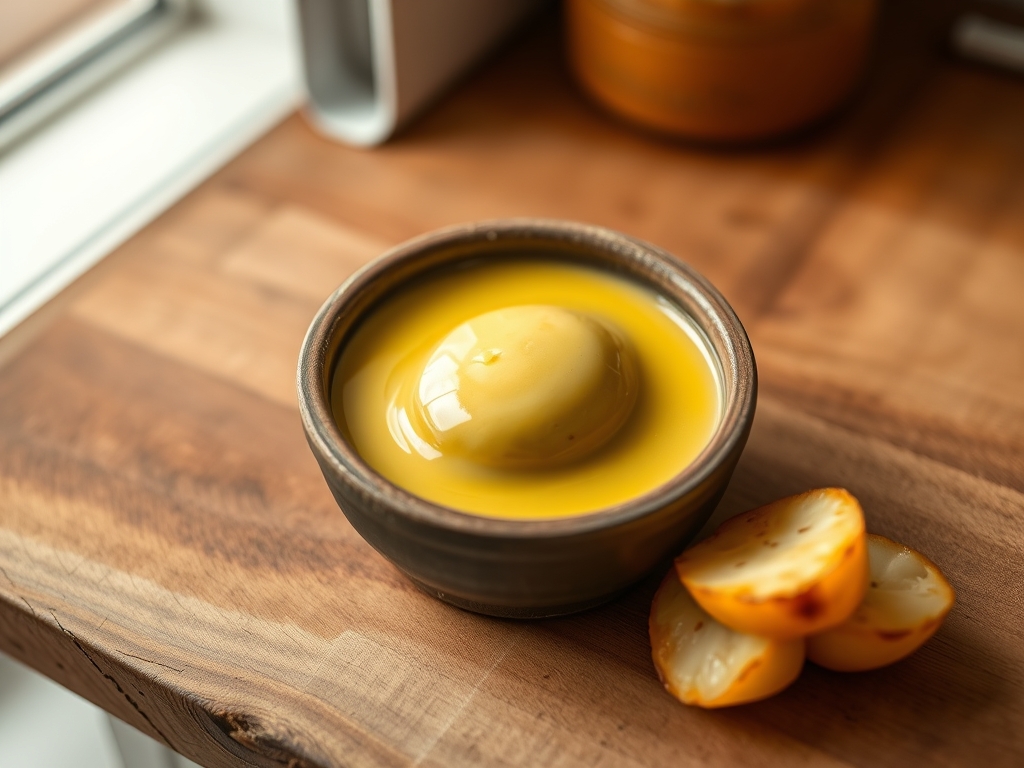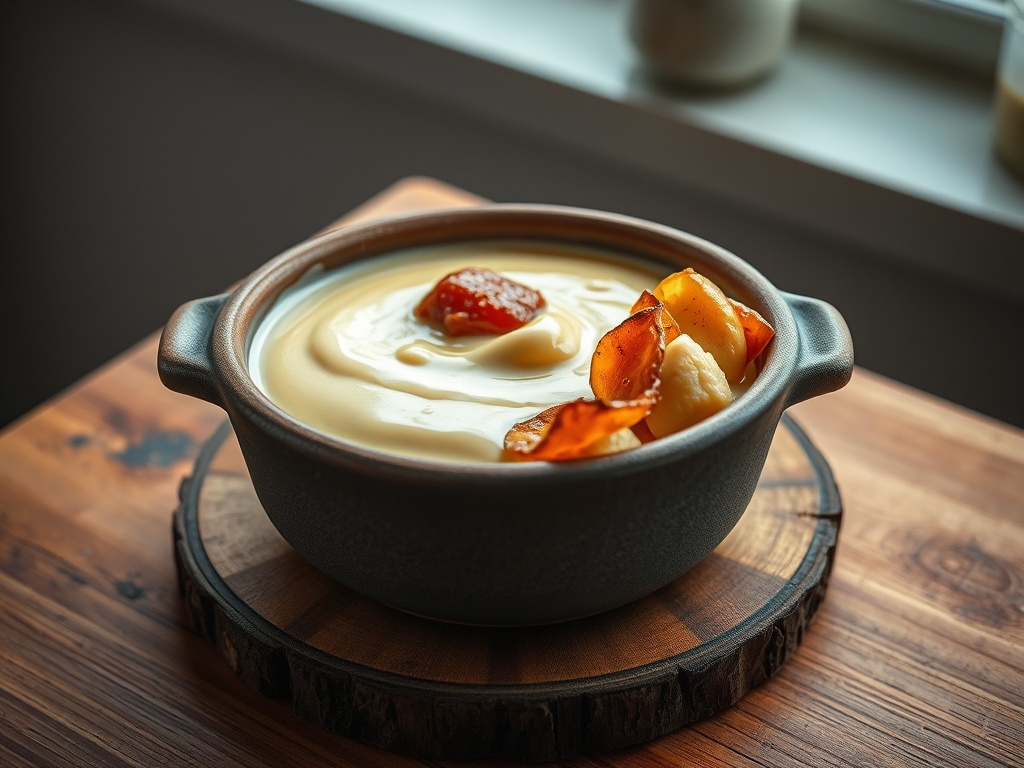
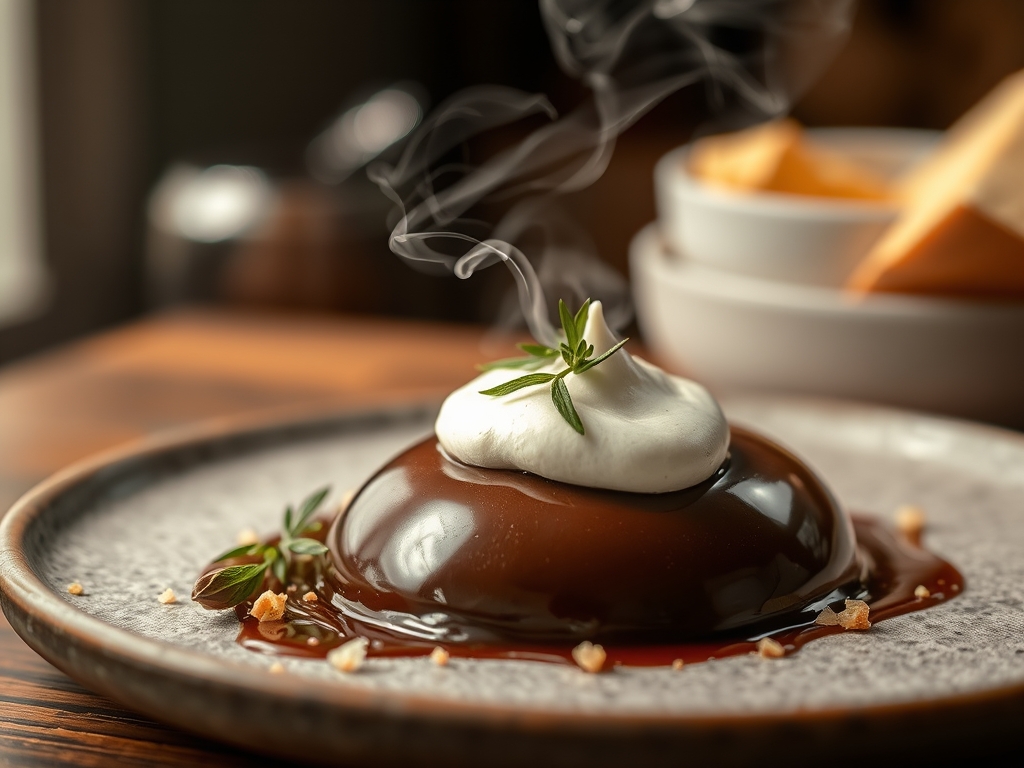
Stop thinking of chocolate as a confection and start treating it like a structural engineering project. We are not just making frosting; we are building a stable, nitrogen-infused suspension designed to defy gravity. Welcome to the high-stakes world of emulsified lipid aeration. To the uninitiated, it looks like a simple bowl of cream and cocoa. To the auditor, it is a complex web of Whipped Ganache Data where temperature margins are razor-thin and fat-to-liquid ratios dictate total success or catastrophic collapse. We are hunting for that perfect, viscous texture that coats the palate before dissolving into a cloud of pure indulgence. When you hit the sweet spot of crystallization, the ganache transforms from a heavy liquid into a rigid, velvet-like foam. This is where the physics of fat meet the art of the patisserie. If your emulsion breaks, your reputation follows. We are here to ensure your infrastructure is sound, your crystals are stable, and your aeration is peak. Let us dive into the metrics of the perfect fill.
THE DATA MATRIX
| Metric | Specification |
|---|---|
| Prep Time | 20 Minutes |
| Execution Time | 12 Hours (Includes Stabilization) |
| Yield | 850ml / 3.5 Cups |
| Complexity (1-10) | 7 |
| Estimated Cost per Serving | $1.15 |
THE GATHERS
Ingredient Protocol:
- 300g / 10.5oz High-Quality Dark Chocolate (60% to 70% Cacao)
- 300ml / 1.25 cups Heavy Cream (35% Fat minimum) for the initial melt
- 300ml / 1.25 cups Cold Heavy Cream for the secondary aeration
- 40g / 2 tbsp Invert Sugar or Honey (to prevent crystallization)
- 2g / 0.5 tsp Sea Salt (to infuse and balance the lipid profile)
- 5ml / 1 tsp Pure Vanilla Extract
Section A: Ingredient Quality Audit:
The primary failure point in Whipped Ganache Data is often the lipid content of the cream. If you use "light" cream or a version with stabilizers like carrageenan, the aeration will be sluggish and the final structure will lack the necessary rigidity. Technical Fix: Always source "Manufacturing Cream" or "Heavy Whipping Cream" with a fat content above 35%. If your chocolate is "seizing," it is likely due to moisture contamination or scorched solids. Ensure your chocolate is chopped into uniform shards to facilitate an even melt. If the chocolate has "bloom" (white streaks), it is still usable, but you must ensure the emulsion is fully homogenized with an immersion blender to reintegrate those stray fats.
THE MASTERCLASS
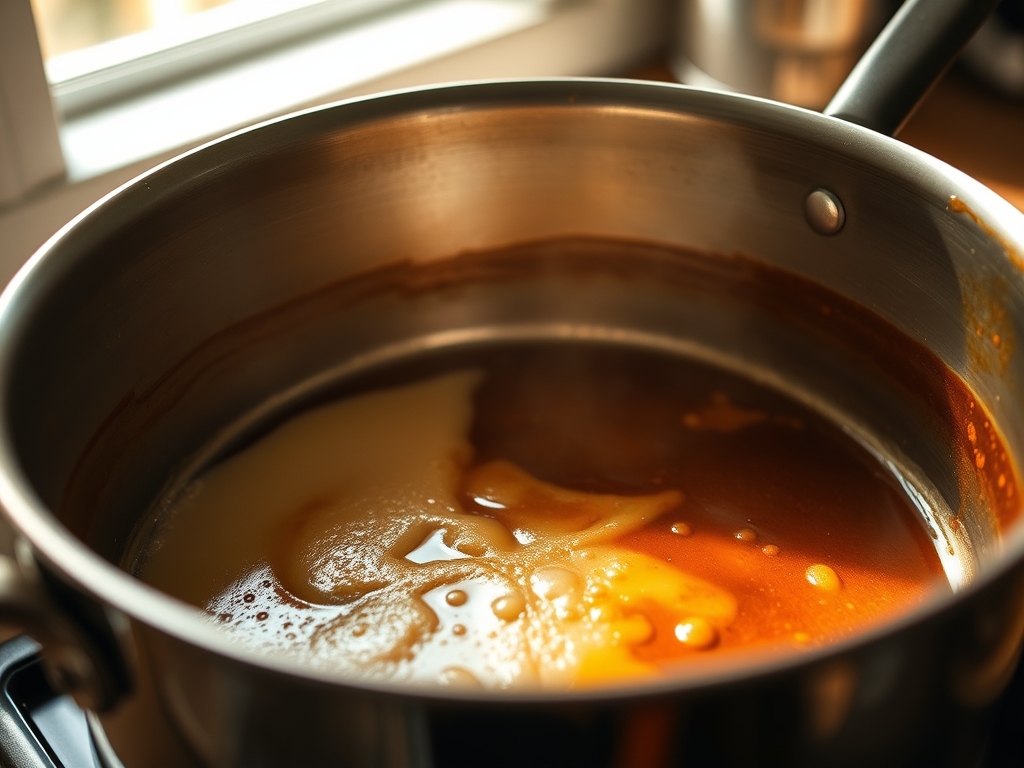
1. The Primary Emulsion
Place your finely chopped chocolate in a heat-proof glass bowl. In a professional saucier, bring the first portion of cream and the invert sugar to a simmer (approximately 80C / 176F). Pour the hot liquid over the chocolate and let it sit for sixty seconds. Use a rubber spatula to stir from the center outward in small circles until a glossy, dark "nucleus" forms.
Pro Tip: This stage is about creating a stable emulsion. Using a digital scale ensures your ratios are exact; even a 5% deviation in liquid can prevent the ganache from setting firmly enough to hold air.
2. The Cold Integration
Once the primary emulsion is smooth, slowly pour in the second portion of cold heavy cream. Use an immersion blender to process the mixture until it is perfectly homogenous. This "cold cream" method is the secret to a superior whip; it introduces fresh, un-denatured proteins into the mix which provide better scaffolding for air bubbles later.
Pro Tip: Avoid introducing air at this stage. Keep the head of the immersion blender submerged to prevent premature aeration, which can lead to a grainy texture after the final whip.
3. The Stabilization Phase
Cover the surface of the liquid ganache directly with plastic wrap to prevent a skin from forming. Transfer the bowl to the refrigerator for at least 12 hours. This is non-negotiable. The cocoa butter crystals need this time to "set" into a specific crystalline structure (Form V) that is stable at room temperature.
Pro Tip: Use a bench scraper to level the surface before covering. Proper stabilization ensures that when you finally aerate the mixture, the fat globules are firm enough to trap air without melting from the friction of the whisk.
4. The Final Aeration
Transfer the chilled base to the bowl of a stand mixer fitted with the whisk attachment. Begin whipping at medium speed. Watch the texture closely; it will transition from a liquid to a soft peak, and then to a firm, pipeable consistency. Stop immediately once you reach a matte finish.
Pro Tip: Over-whipping will cause the fat to "break" and turn into chocolate butter. If the mixture looks grainy, stop immediately and fold in a tablespoon of liquid cream to smooth the edges.
Section B: Prep & Timing Fault-Lines:
The most common human error is impatience. If you attempt to whip the ganache before it has chilled for at least 8 hours, the fat will be too soft to hold air. The result is a soup that will never stiffen. Conversely, if the kitchen is too warm, the friction of the whisk will melt the cocoa butter. Technical Fix: Chill your mixing bowl and whisk attachment in the freezer for 15 minutes before the final aeration step to maintain a cold thermal environment.
THE VISUAL SPECTRUM
Section C: Thermal & Visual Troubleshooting:
Referencing the Masterclass photo, the ideal ganache should exhibit a "satin-matte" sheen. If your ganache looks dull or "chalky," it likely lacks sufficient fat or was over-whipped, causing the emulsion to begin separating. If you see tiny white specks, those are unmelted cocoa butter crystals; this indicates the initial cream was not hot enough.
To fix a "broken" look where the oil is leaking out, you must gently re-warm the entire mixture over a bain-marie and use an immersion blender to re-emulsify it. You will have to start the 12-hour chilling process over, but it saves the ingredients. A perfect ganache will hold a sharp edge when piped through a star tip, showing no signs of "slumping" or weeping.
THE DEEP DIVE
Macro Nutrition Profile:
This is a high-density lipid fuel. A standard 50g serving contains approximately 210 calories, 18g of fat, 12g of carbohydrates, and 2g of protein. The high fat content provides a slow release of energy, but the caloric density requires precision in portioning.
Dietary Swaps:
- Vegan: Replace heavy cream with full-fat coconut cream (chilled and scooped from the top of the can) and use a high-quality dairy-free chocolate.
- Keto: Utilize 85% dark chocolate and replace the invert sugar with a liquid monk fruit sweetener.
- GF: Naturally gluten-free, but ensure your chocolate source is processed in a facility free of wheat cross-contamination.
Meal Prep & Reheating Science:
Whipped ganache is a "living" structure. It can be stored in an airtight container for up to 5 days in the fridge. To "reheat" or reuse, do not use a microwave. Allow it to sit at room temperature for 30 minutes to soften naturally. If it loses its fluff, a quick 30-second hand-whisking can usually restore the volume without breaking the emulsion.
THE KITCHEN TABLE
Why is my ganache grainy?
Graininess usually stems from over-whipping or using chocolate with low cocoa butter content. The fat solids begin to clump together like butter. To fix it, gently melt the mixture and start the cooling process again.
Can I use milk chocolate?
Yes, but you must reduce the cream by 25%. Milk chocolate contains more milk solids and sugar, which makes the structure softer. Adjusting the Whipped Ganache Data ratios ensures the final product remains stable and pipeable.
How do I get a darker color?
The aeration process naturally lightens the color as air bubbles reflect light. To maintain a deep, dark hue, infuse a tablespoon of Dutch-processed cocoa powder into the hot cream before mixing it with the solid chocolate.
Is invert sugar necessary?
Technically no, but it is highly recommended. Invert sugar acts as a humectant, keeping the ganache "moist" and preventing the sugar in the chocolate from recrystallizing into a gritty texture over time.
My ganache is too stiff to pipe!
This happens if the chocolate percentage is too high or it stayed in the fridge too long. Let it sit at room temperature for 20 minutes. The cocoa butter will soften, returning the mixture to a workable, viscous state.