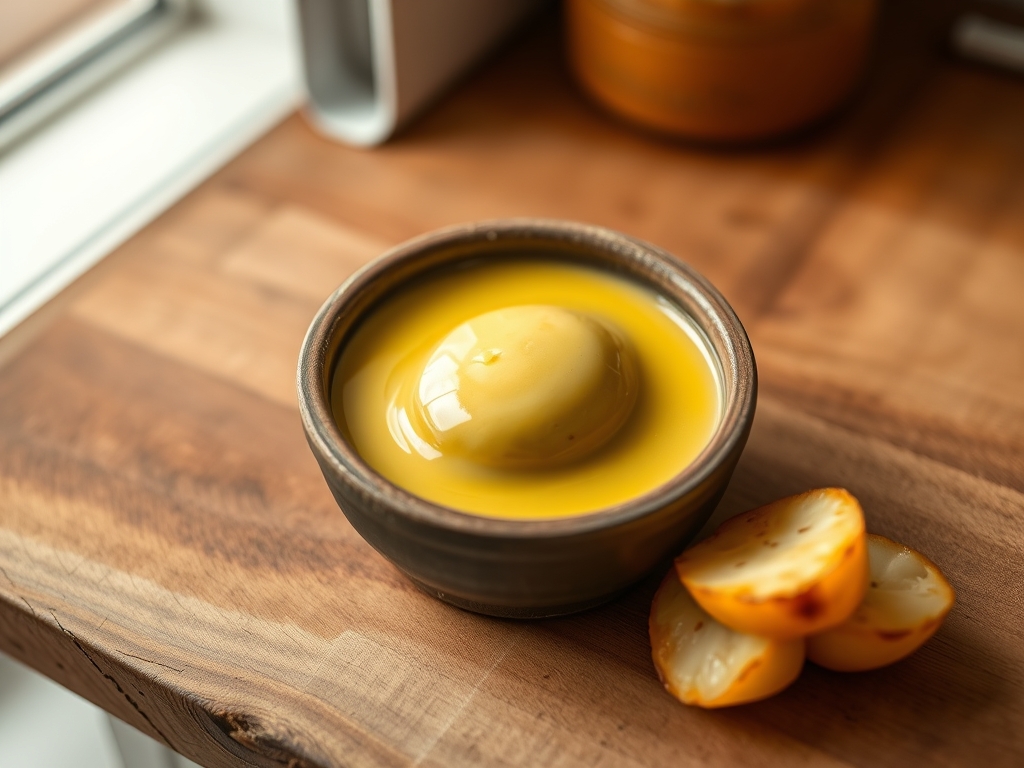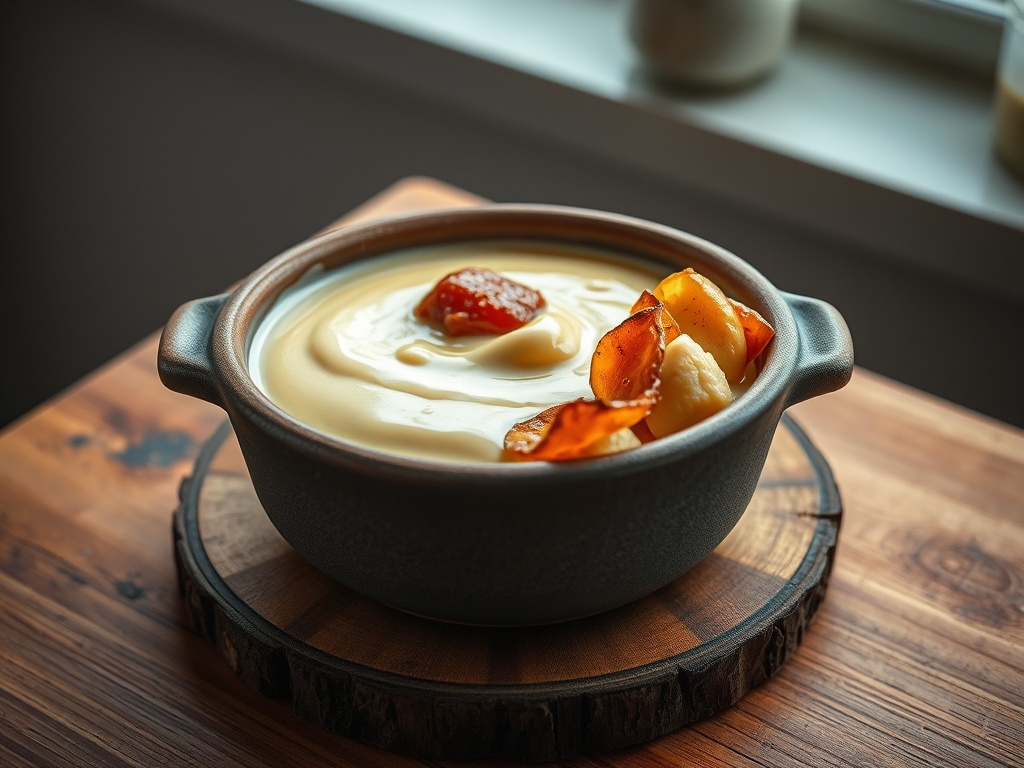
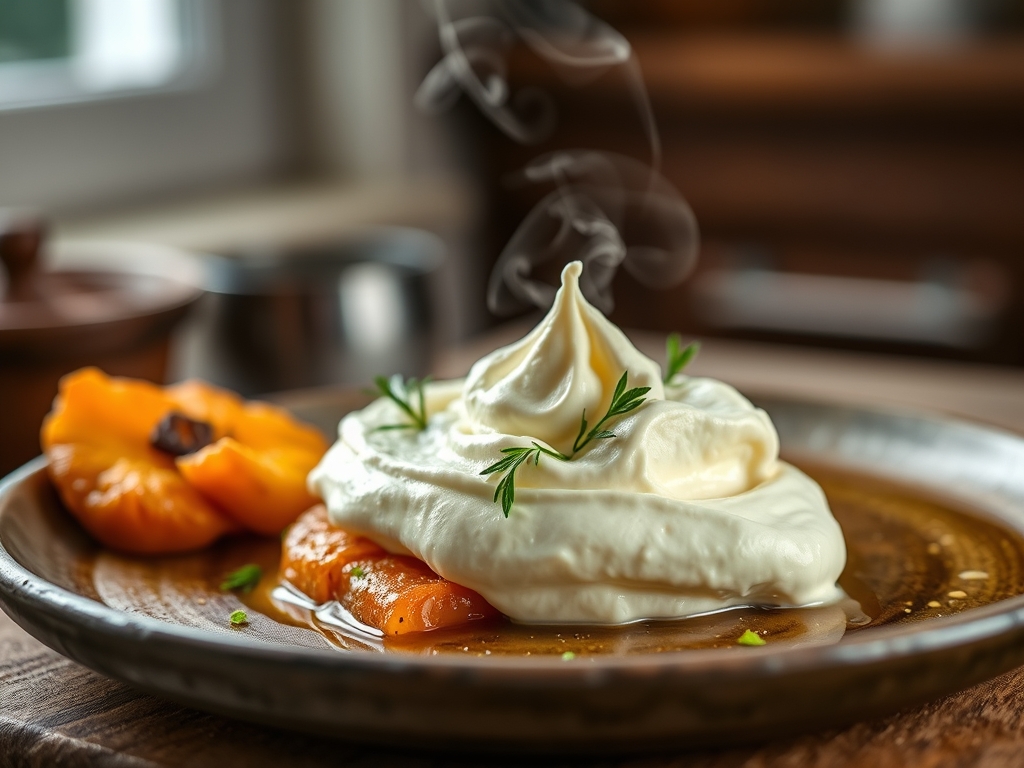
Forget everything you know about the clunky, cold brick of fat sitting in your refrigerator door. We are moving beyond the stone-age struggle of tearing through a delicate piece of sourdough with a frozen slab of lipid. Today, we are auditing the very foundation of spreadability. We are talking about the high-stakes world of gas-liquid interfaces and the structural integrity of dairy fats. This is Whipped Butter Tech; a systematic overhaul of the traditional condiment into a cloud-like, aerated masterpiece that defies the laws of thermal resistance. When you introduce nitrogen and oxygen into the crystalline matrix of butterfat, you aren't just making it softer. You are increasing the surface area, altering the light refraction, and fundamentally changing how the fat molecules interact with your palate. The result is a sensory explosion that feels lighter than air but carries the intense, concentrated flavor of a high-end creamery. We are optimizing for peak viscosity and maximum velvet. Prepare to recalibrate your expectations of what a spread can achieve when engineering meets the dinner table.
THE DATA MATRIX
| Metric | Specification |
|---|---|
| Prep Time | 10 Minutes |
| Execution Time | 15 Minutes |
| Yield | 450ml / 1.9 Cups |
| Complexity (1-10) | 3 |
| Estimated Cost per Serving | $0.45 |
THE GATHERS
Ingredient Protocol:
- High-Fat European Style Butter: 227g / 1 cup (Unsalted, minimum 82% butterfat).
- Heavy Cream or Whole Milk: 30ml / 2 tablespoons (For moisture stabilization).
- Maldon Sea Salt: 5g / 1 teaspoon (For piquant contrast).
- Filtered Water: 15ml / 1 tablespoon (Optional for steam-injected aeration).
- Infusion Agent: 2g / 0.5 teaspoon (Fresh thyme or lemon zest).
Section A: Ingredient Quality Audit:
If your raw materials are failing the audit, the final structure will collapse. Low-quality butter often contains an excess of water and a lack of solid fats; this results in a greasy, translucent mess rather than an opaque cloud. If your butter is too cold, it will shatter rather than aerate. The fix? Use a digital scale to ensure your ratios are exact. If the butter feels waxy, it likely has a high paraffin content from poor processing. To salvage this, gently render the butter down to a liquid state, then shock it in an ice bath to reset the crystal structure before you begin the whipping process. This forces the fat to recrystallize into a more uniform, workable texture.
THE MASTERCLASS
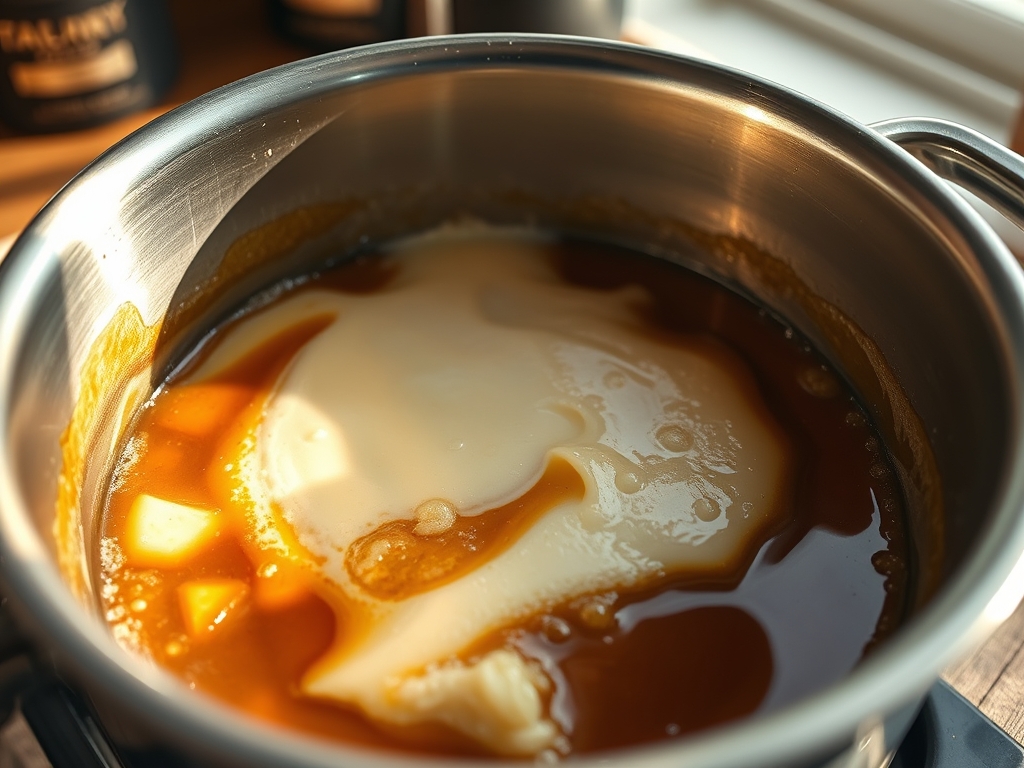
1. Thermal Calibration
The butter must be exactly 18 degrees Celsius (65 degrees Fahrenheit). This is the "Goldilocks Zone" where the fat is plastic enough to deform but stable enough to hold air bubbles. Use a digital probe thermometer to verify this. If it is too warm, the air will simply escape; if it is too cold, you will burn out your motor.
Pro Tip: Use a digital scale to weigh your butter after it has reached room temperature. Evaporation can occur if left out too long, and precision is the enemy of failure. The science here is "plasticity," where the fat crystals can slide past each other without melting.
2. The Initial Break-Down
Place the butter in the bowl of a stand mixer fitted with the whisk attachment. Start at a low velocity to break the block into smaller, manageable chunks. We are looking to increase the surface area before we begin the high-speed nitrogen incorporation.
Pro Tip: Use a bench scraper to periodically push the butter back into the center of the bowl. This ensures that every gram of fat is subjected to the same mechanical shear, preventing "dead zones" of un-aerated butter at the bottom of the bowl.
3. Liquid Phase Integration
Once the butter is pliable, slowly drizzle in your heavy cream or milk. This adds a small amount of moisture and protein, which helps to emulsify the mixture and creates a whiter, more brilliant aesthetic.
Pro Tip: A saucier can be used to slightly warm the cream if it is too cold. Adding cold liquid to temperate butter will cause the fat to seize, resulting in a grainy texture. We want a seamless, viscous transition between the lipid and aqueous phases.
4. High-Velocity Aeration
Turn the mixer to high speed for 5 to 7 minutes. Watch as the color shifts from a dense yellow to a pale, ivory white. This is the Whipped Butter Tech in action; you are physically forcing air into the fat matrix, creating millions of tiny bubbles.
Pro Tip: The change in color is due to "light scattering." As the air bubbles become smaller and more numerous, they reflect more light, making the butter appear lighter. This is the same principle that makes sea foam look white despite being made of clear water.
5. Flavor Infusion and Finishing
Stop the mixer and fold in your sea salt and any aromatics. Do not over-mix at this stage, or you risk collapsing the delicate structure you just built. The salt should remain slightly granular to provide a piquant crunch against the soft fat.
Pro Tip: Use a silicone spatula to fold the ingredients. This protects the air pockets. If you want a deeper flavor, you can infuse your cream with herbs 24 hours in advance, straining it before adding it to the butter.
Section B: Prep & Timing Fault-Lines:
The most common failure in this protocol is the "Temperature Spike." If the friction of the whisk generates too much heat, the butter will begin to melt at the edges. If you see the mixture turning glossy or yellow, stop immediately and place the entire bowl in the freezer for 3 minutes. Timing is also critical; if you whip for too long, you will actually begin to separate the buttermilk from the fat, effectively making "double butter," which is dense and unspreadable. Watch the clock and the texture simultaneously.
THE VISUAL SPECTRUM
Section C: Thermal & Visual Troubleshooting:
Referencing the Masterclass photo, your final product should exhibit "stiff peaks" that hold their shape without drooping. If your butter looks dull or "matte," it lacks sufficient moisture; add a teaspoon of cream and whip for 30 seconds. If the color is uneven, it means the infusion wasn't distributed properly. A "broken" look, where the butter appears curdled, indicates a temperature mismatch between the butter and the added liquids. To fix a broken emulsion, continue to whisk while gently warming the outside of the bowl with a warm cloth. You are aiming for the "Visual Spectrum" of a soft-serve ice cream: smooth, ridged, and reflecting a soft, satin glow.
THE DEEP DIVE
Macro Nutrition Profile:
Per 15g serving: 100 Calories, 11g Fat, 0g Carbs, 0g Protein. The aeration increases volume, meaning you consume roughly 30% less fat per tablespoon compared to dense, un-whipped butter.
Dietary Swaps:
- Vegan: Substitute high-quality cashew-based butter and coconut cream. The saturated fat content in coconut allows for similar aeration.
- Keto: This is already a keto powerhouse. Add MCT oil during the aeration phase for a functional boost.
- GF: Naturally gluten-free. Ensure your infusion agents (like pre-mixed spices) do not contain anti-caking agents derived from wheat.
Meal Prep & Reheating Science:
Whipped butter is a "living" structure. If refrigerated, it will firm up, but it will never return to the rock-hard state of original butter due to the trapped air. To "revive" it, do not microwave it; the radiation will collapse the air bubbles instantly. Instead, let it sit at room temperature for 20 minutes and give it a quick stir with a fork to re-distribute the gases.
THE KITCHEN TABLE
Why is my whipped butter turning yellow again?
This is likely due to "oxidation" or temperature fluctuations. If the butter melts slightly, the air bubbles escape, and the light-reflecting properties vanish. Keep it cool and covered to maintain that brilliant ivory Whipped Butter Tech glow.
Can I use a food processor instead of a mixer?
Negative. A food processor uses blades that slice through the fat, generating heat and destroying air pockets. A whisk is required to "fold" the air into the lipid matrix. Use a stand mixer or a hand-held whisk.
How long does the aeration last?
In an airtight container, the structural integrity will hold for about 5 to 7 days. After that, the weight of the fat will slowly compress the air bubbles, and the mixture will become more dense.
Can I add honey or maple syrup?
Absolutely. However, sugars are hygroscopic and will pull moisture out of the butter. If adding sweeteners, increase your whipping time by 2 minutes to ensure the sugar is fully suspended within the fat crystals to prevent weeping.